An Interactive Encyclopedia of Israel
Explore the land, the people, the traditions, and the ideas that make one of the world's oldest civilizations also one of its most modern.
Geography
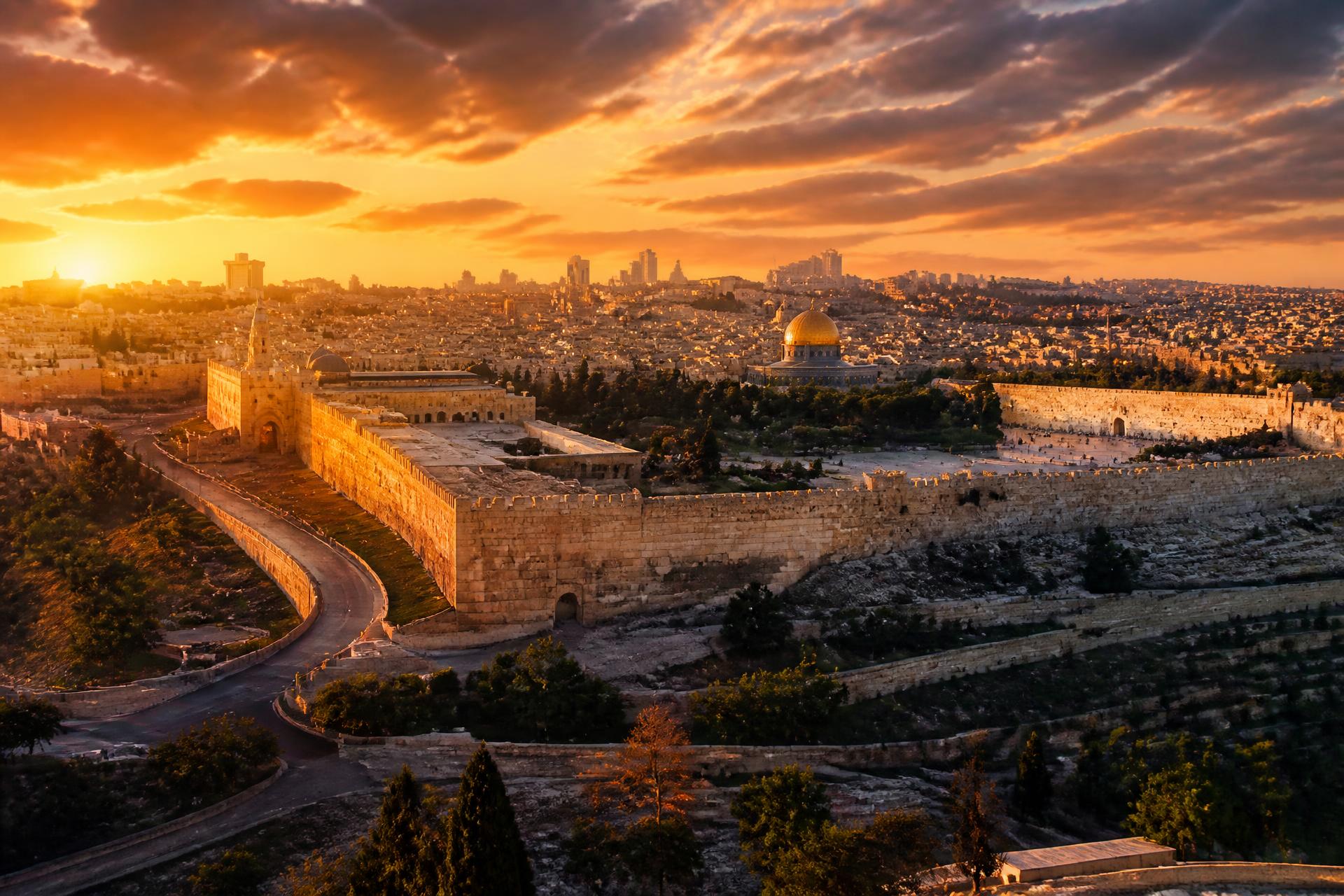
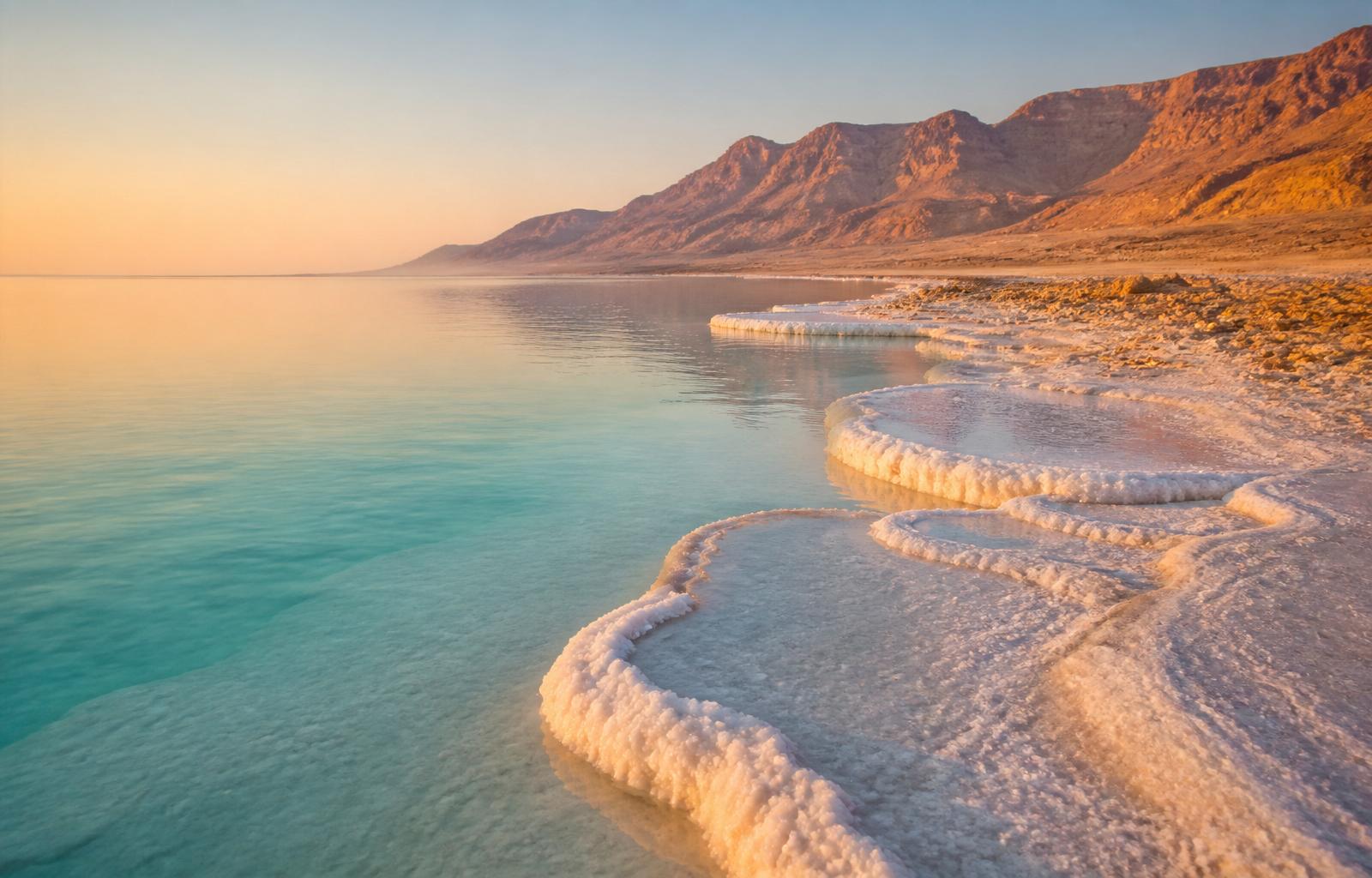
Though smaller than the U.S. state of New Jersey — just 260 miles top to bottom — Israel packs an astonishing variety of landscapes. In a single day you can ski Mount Hermon in the snowy north, float in the mineral-rich Dead Sea at the lowest point on earth, dive Red Sea coral reefs in the south, and watch the sun set over the Mediterranean.
The country is threaded by four geological zones: the fertile Coastal Plain along the Mediterranean, the rugged Central Highlands where Jerusalem sits at 2,500 feet, the deep Jordan Rift Valley (the deepest valley on earth), and the vast Negev Desert that fills the entire south. Roughly 60% of Israel is desert — and yet Israeli agriculture is so advanced the country exports fruit, flowers, and produce year-round.
The Sea of Galilee (Kinneret) in the north is Israel's largest freshwater lake and the main water source it shares with Jordan. In Jerusalem, the air itself feels different — thinner, older, layered with the presence of three religions and thirty conquerors.
Culture
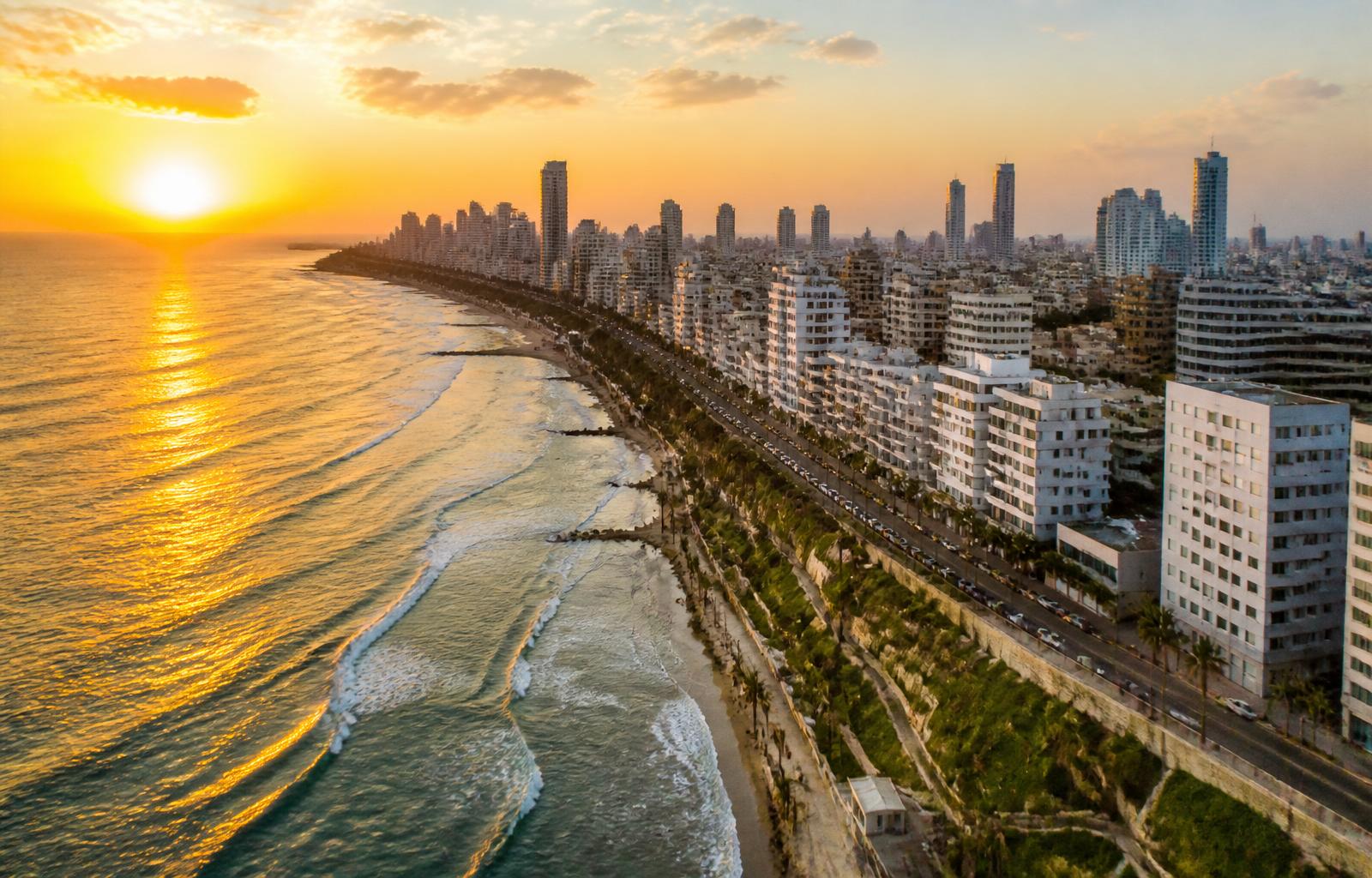
Israeli culture is a mosaic of the entire Jewish world reassembled in one small country. Walk through Jerusalem's Machane Yehuda market on a Friday afternoon and you will hear Hebrew, Arabic, Russian, Amharic, French, Yiddish, Farsi, and Spanish spoken in the same aisle — the sound of ancestors who lived in Poland, Yemen, Morocco, Ethiopia, and Iraq now cooking dinner together.
Israelis are famous for being direct — a trait shaped by 2,000 years of rabbinic argument and 75 years of building a country under constant pressure. There is no small talk in an Israeli hospital or supermarket. Strangers correct each other on the bus. It can feel abrupt to newcomers; it is, in fact, an intimate form of civic life.
The Sabbath, Shabbat, shapes the weekly rhythm of the entire country. From sundown Friday to nightfall Saturday, most shops and buses stop, families gather, and the air itself slows. It is one of the most quietly radical acts in the modern world — an entire nation deciding, together, to rest.
Food
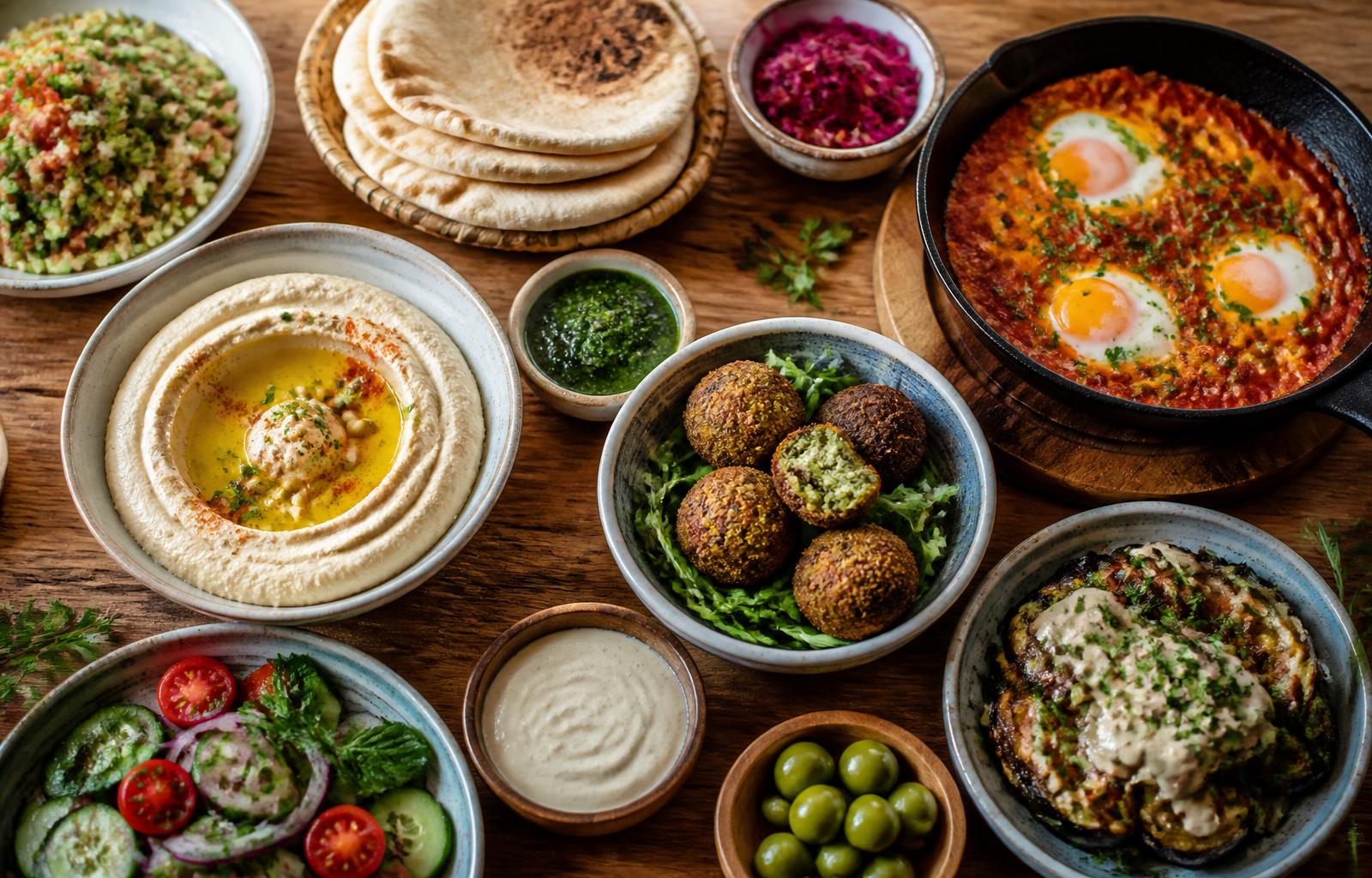
Israeli cuisine is what happens when Jewish families from a hundred countries — carrying grandmothers' recipes from Aleppo and Bukhara and Vilna and Marrakesh — arrive in the same small Mediterranean land. Layered onto a base of local Levantine flavors (hummus, tahini, olive oil, za'atar, fresh bread), the result is one of the world's most exciting food cultures.
In the mornings, the country runs on shakshuka — eggs poached in a bubbling pan of tomato, pepper, and cumin — with fresh challah or pita from a bakery around the corner. Lunch means falafel or sabich (fried eggplant, egg, and salad tucked into pita), eaten standing up. Afternoons pause for espresso and burekas. Evenings mean long tables of mezze — hummus swimming in olive oil, smoky eggplant, crisp Israeli salad — before mains of grilled fish, lamb, or chicken.
Desserts are a story of their own: rugelach from Marzipan Bakery in Machane Yehuda, halva from Nablus, malabi drizzled with rosewater, warm knafeh with melted cheese and syrup. And Israeli wines from the Galilee and Judean Hills — many kosher, many world-class — increasingly appear on serious wine lists from New York to Tokyo.
Judaism
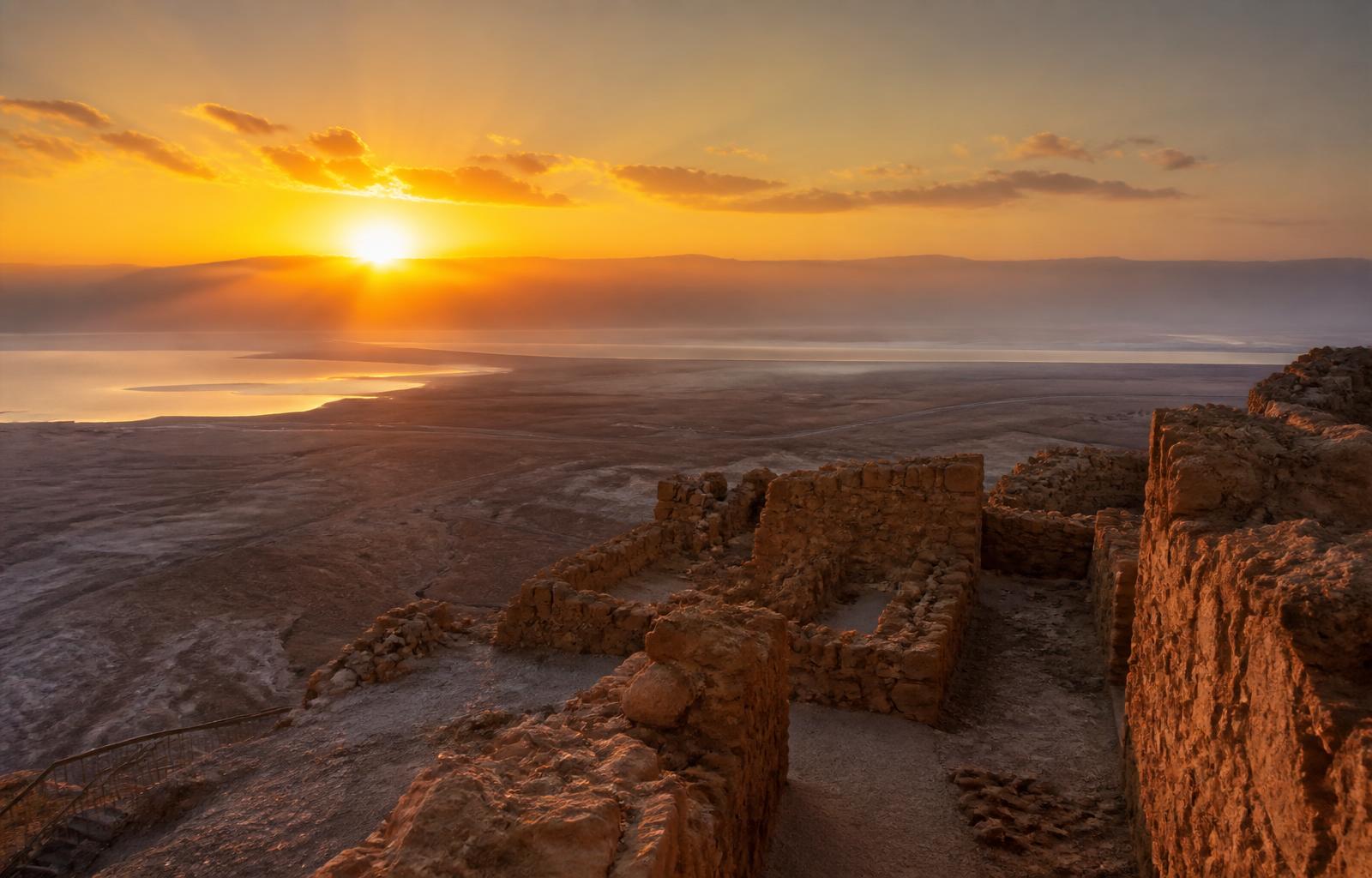
Judaism is among the oldest continuously practiced religions on earth, tracing its covenant with God back nearly four thousand years to Abraham. At its heart stands the Torah — the first five books of the Hebrew Bible — and a living tradition of study, ethics, and prayer that has never stopped for a single generation, even in exile.
Jewish life is measured in text and time. Every seven days, Shabbat pauses the world. Every year, the Hebrew calendar cycles through festivals rooted in agriculture and history. Every seven years, the land itself rests. And every day, three times a day, observant Jews turn toward Jerusalem to pray — a habit unbroken since the Babylonian exile 2,500 years ago.
The synagogue is house of prayer, house of study, and house of assembly all at once. There is no central Jewish authority — no pope, no single seminary — which is why Judaism has produced an unbroken 2,000-year conversation of commentary, debate, and interpretation. To argue about the meaning of a text is not disrespect in Judaism; it is worship.
Holidays
The Jewish year is a cycle of memory. Every major holiday is the ritual re-telling of a moment in the story of the Jewish people — freedom from slavery, rededication of the Temple, survival against extermination, atonement, gratitude, renewal. To celebrate them is to place yourself, once again, inside the story.
The spring festival of freedom. For eight days no bread is eaten — only matzah, the flat bread of hurried departure — and families retell the Exodus at a ritual meal, the Seder, that has been performed continuously for over 3,000 years.
The Jewish New Year and the birthday of the world. The shofar — a ram's horn — is sounded 100 times. Apples dipped in honey welcome a sweet year, and the season of introspection begins.
The Day of Atonement — the holiest day of the year. Jews fast for 25 hours, spend the day in synagogue, and confess collectively. In Israel the streets empty completely; children ride bicycles on empty highways.
The Feast of Booths. For a week families eat (and often sleep) in temporary huts built in their yards or on balconies, remembering the 40 years in the wilderness and celebrating the harvest.
The Festival of Lights. Eight nights of candles commemorate the Maccabees' 165 BCE victory and the miracle of oil in the Temple. Latkes, sufganiyot, and dreidels for the kids.
A joyous carnival holiday recounting the Book of Esther — how a young Jewish queen saved her people from genocide in ancient Persia. Costumes, noisemakers, gifts of food to friends, and gifts to the poor.
The festival of the giving of the Torah at Mount Sinai. Traditionally celebrated by staying up all night studying — and eating dairy: cheesecake, blintzes, quiches.
The day of mourning. Both Temples were destroyed on this same date, 656 years apart. Jews fast, sit low, and read the Book of Lamentations.
Festivals & National Celebrations
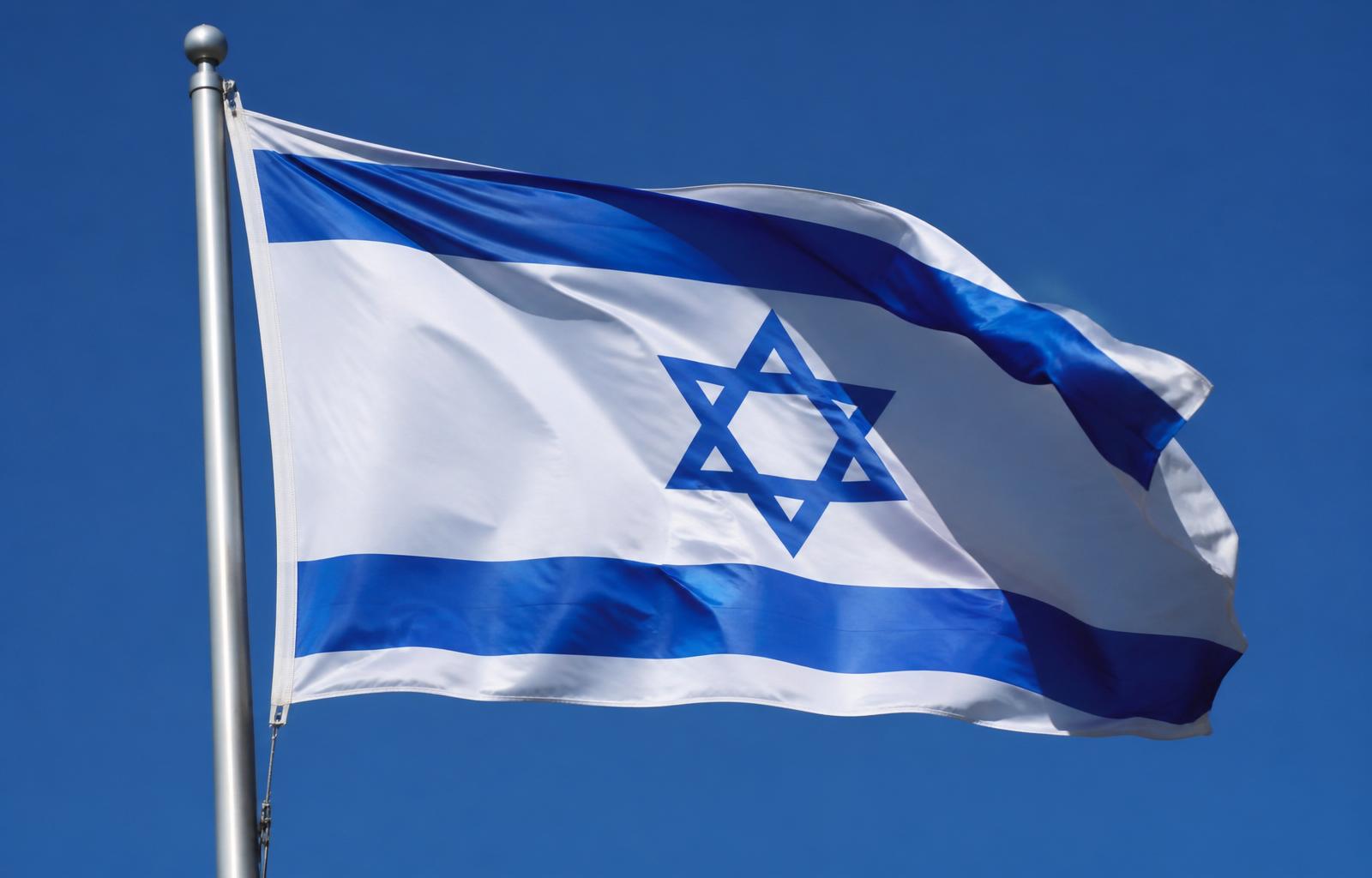
Alongside the ancient religious calendar, Israel celebrates the young holidays of the modern state — days that mark the return of Jewish sovereignty after two thousand years.
Independence Day (Yom Ha'atzmaut) is preceded, deliberately, by Yom HaZikaron — Memorial Day for fallen soldiers and terror victims. A one-minute siren stops the entire country twice; drivers pull to the shoulder of highways and stand at attention. The very next evening, mourning turns to fireworks: barbeques in every park, Air Force flyovers, dancing in the streets. It is one of the most emotionally charged 48-hour transitions in any national calendar.
Politics
Israel is a parliamentary democracy — the only one in the Middle East. Citizens over 18 vote not for candidates but for parties; the parties then negotiate coalitions to form a government. Because Israel uses pure proportional representation with a low electoral threshold, small parties matter, coalitions are messy, and elections are frequent.
The Knesset — Israel's 120-seat parliament — sits in Jerusalem. The Prime Minister leads the government, the President serves as a largely ceremonial head of state, and an independent Supreme Court reviews legislation. Israel has no single written constitution; instead, a series of 'Basic Laws' and long-established democratic norms perform that role.
Arab citizens of Israel — roughly 20% of the population — vote, sit in the Knesset, serve on the Supreme Court, run hospitals and universities, and have on occasion held the balance of a governing coalition. They are the freest Arab population in the Middle East, a fact acknowledged by every serious international measure of civil liberties.
Current Leadership
.jpg?width=500)


.jpg?width=500)